Bath Abbey's Discovery Centre is located beneath the Abbey shop and features artefacts and exhibits about the Abbey's development and history. Displays included the history of the building of the Abbey, monastic life, and the Abbey's impact on the community, the architecture and sculptures of the buildings, and the role of the Abbey in present. Bath Abbey Bath, England, United Kingdom Bath Abbey was built from the late fifteenth century, destroyed by Henry VIII and restored under Elizabeth I.

History There has been a place of Christian worship on this site for well over a thousand years and the Abbey has undergone many transformations and changes during this time. Much like the city of Bath has experienced rise and falls in fortune, survived a number of major conflicts, architectural and religious reforms, and two World Wars, the Abbey still stands proudly today as an essential. There's so much to love about Bath Abbey, and as Dr.

Top 10 Unbelievable Facts about Bath Abbey - Discover Walks Blog
Oliver Taylor, Head of Interpretation at the Abbey explains, the Grade I Listed church in the heart of Bath is one of many jewels in the city's crown, with several facets worth exploring. The finest Tudor ceiling in England and France, 52 windows, the largest collection of church monuments in the country, a unique floor and heating system. History Overview of Bath Abbey Bath Abbey was the last great medieval cathedral built in England.

The site of the Abbey has a history encompassing over 1,200 years. Throughout this period, there have been three different churches occupying the site since 757 AD. The first church built was the Anglo.
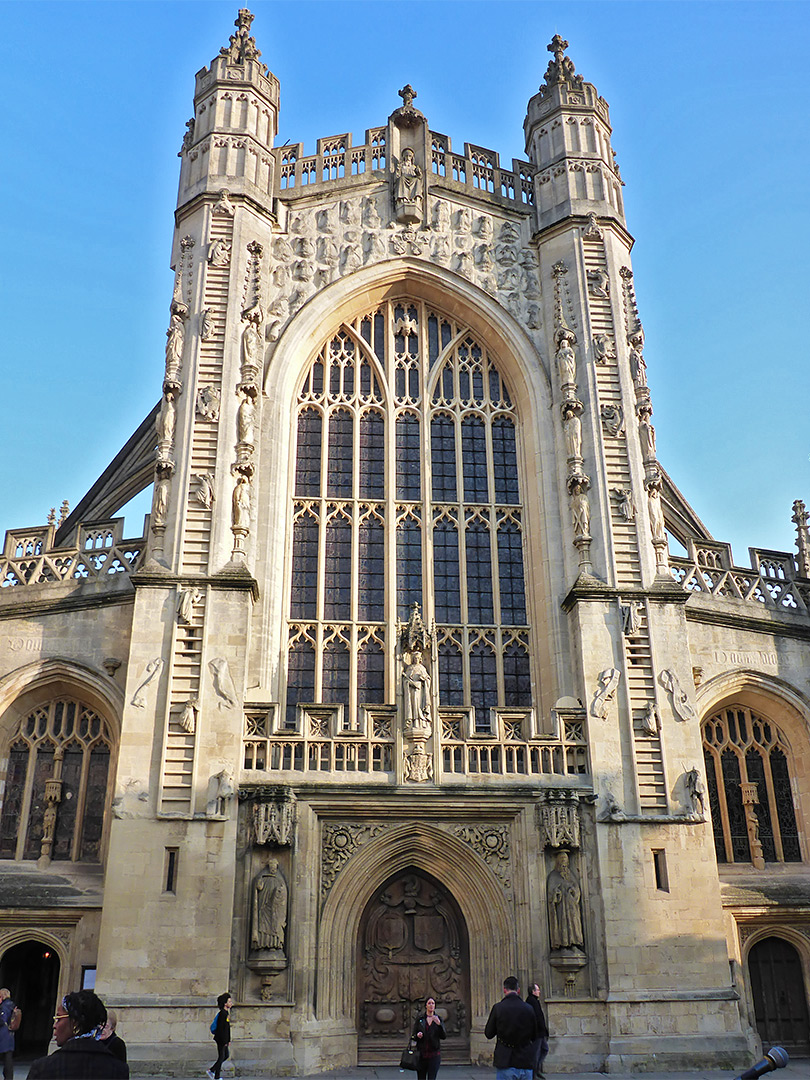
Bath Abbey Restoration / Feilden Clegg Bradley Studios | ArchDaily
The History of Bath Abbey I think we can all agree that Bath Abbey is at the heart of Bath's city and heritage - surrounded by many other Bath treasures such as the Roman Baths, Pulteney Bridge, the River Avon and city centre. It stands tall and looks magnificent, and although we can all admire the beautiful stain glass windows and stunning architecture, what about the history behind it. The Nave of Bath Abbey, looking West In 781, King Offa of Mercia built a new church on the site dedicated to St.

Peter, and in 973 on Whitsunday, the church saw the coronation of King Edgar, the first King of all England. This coronation service formed the basis of all future coronations, right up to the coronation of today's Queen Elizabeth II. Bath Abbey is a church located in the city of Bath, England and is considered one of the most important examples of Gothic architecture.
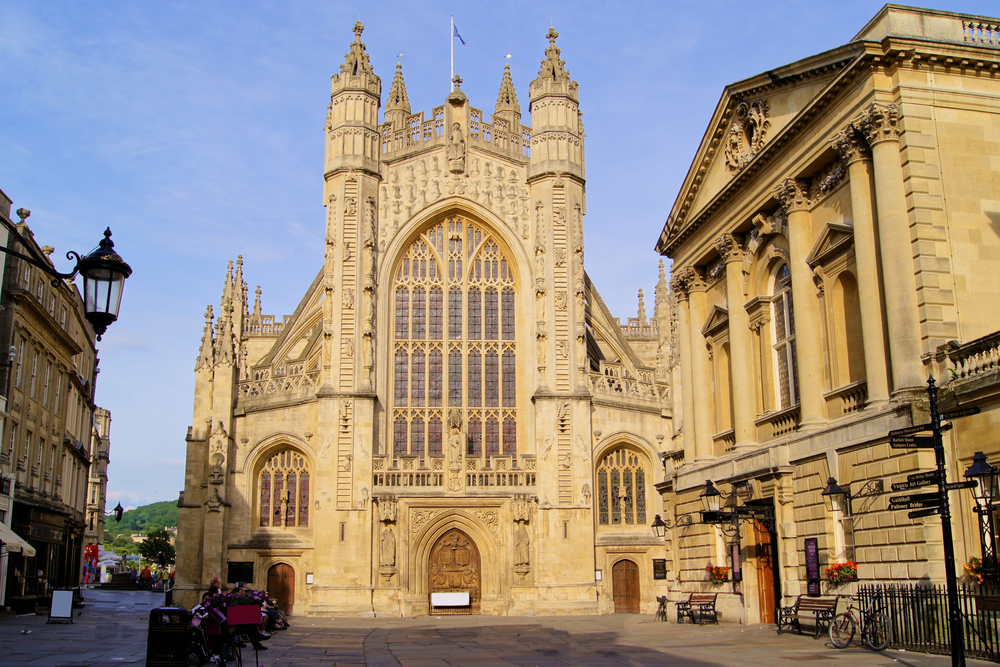
Bath Abbey Restoration / Feilden Clegg Bradley Studios | ArchDaily
The original church, built in the 7th century, was rebuilt in the Norman architectural style in the 12th century. The restoration also saw the installation of a new organ and the renovation of the abbey's interior, including the addition of new pews and other furnishings. Today, Bath Abbey continues to serve as an active place of worship, with daily services and special events throughout the year.

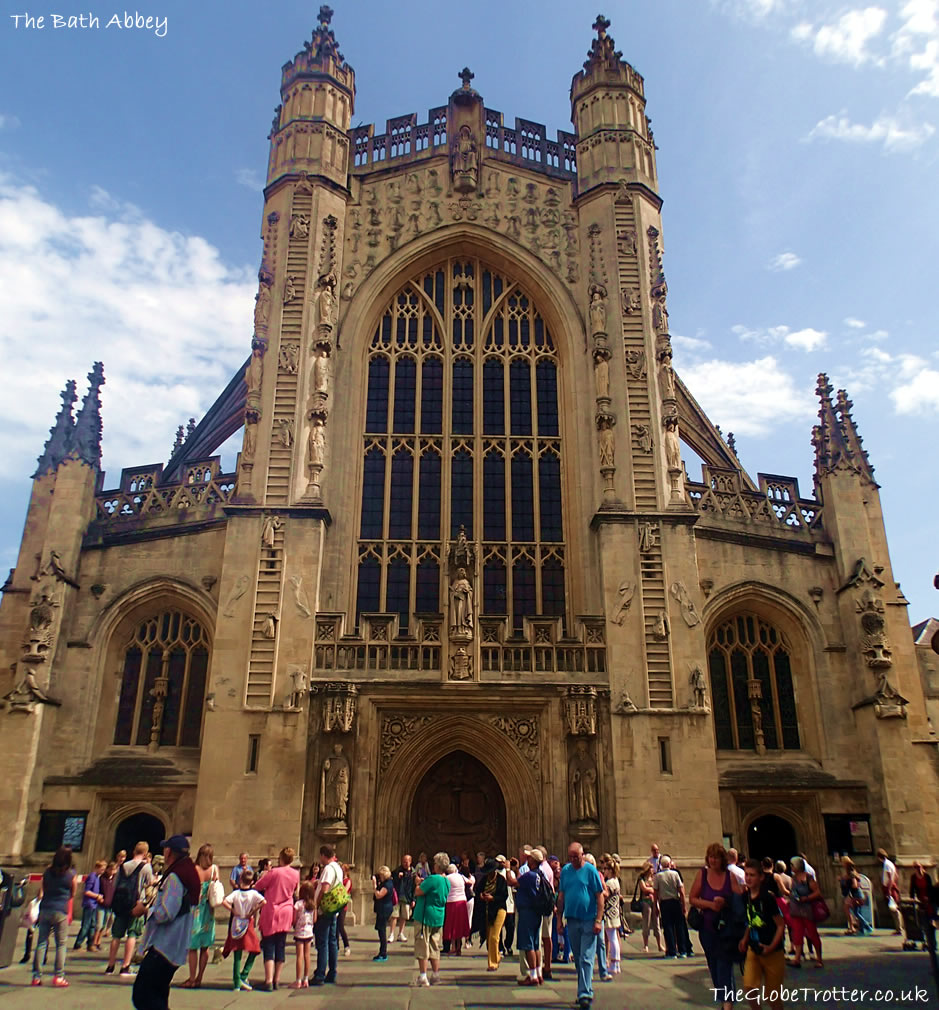
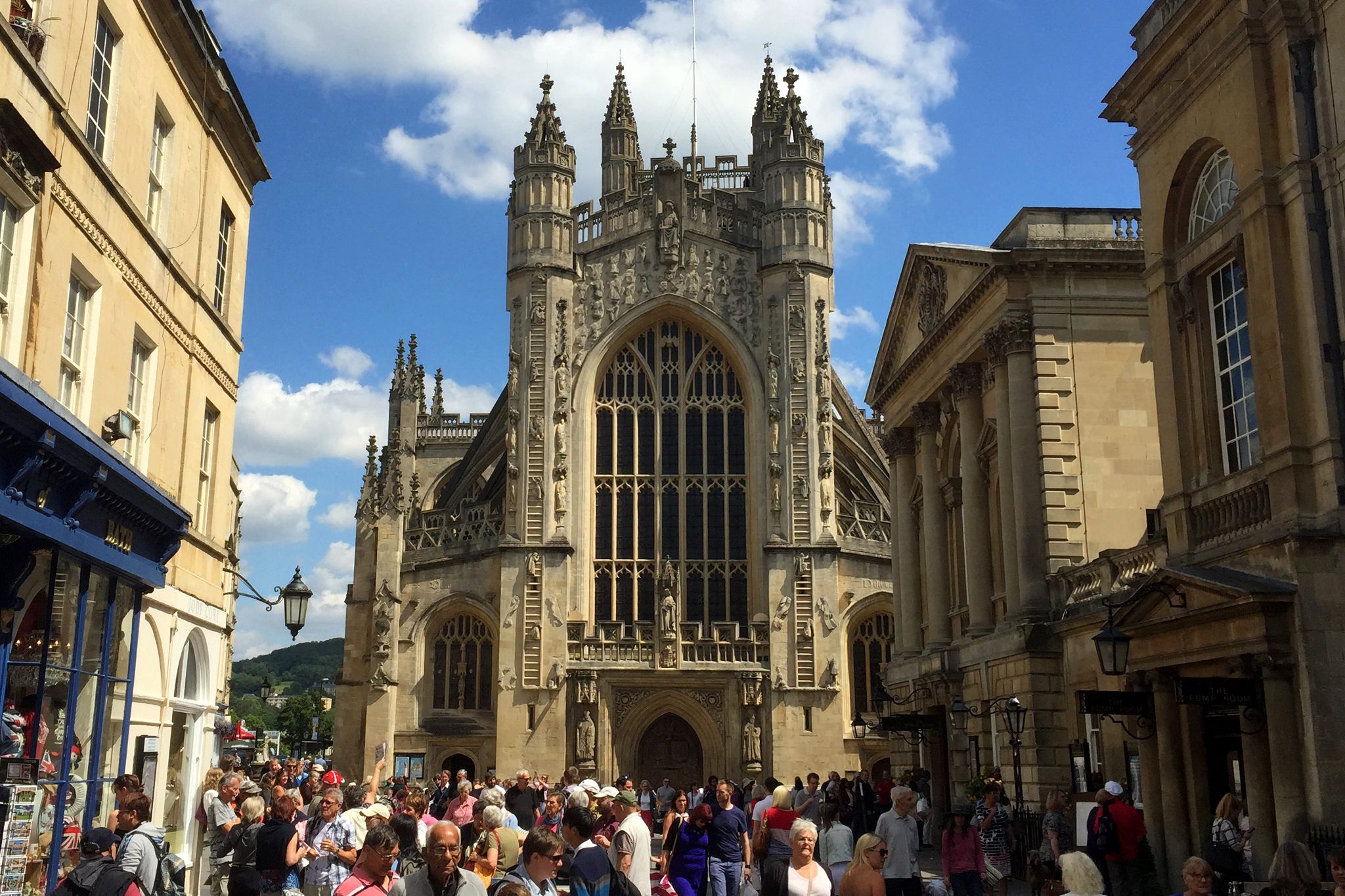
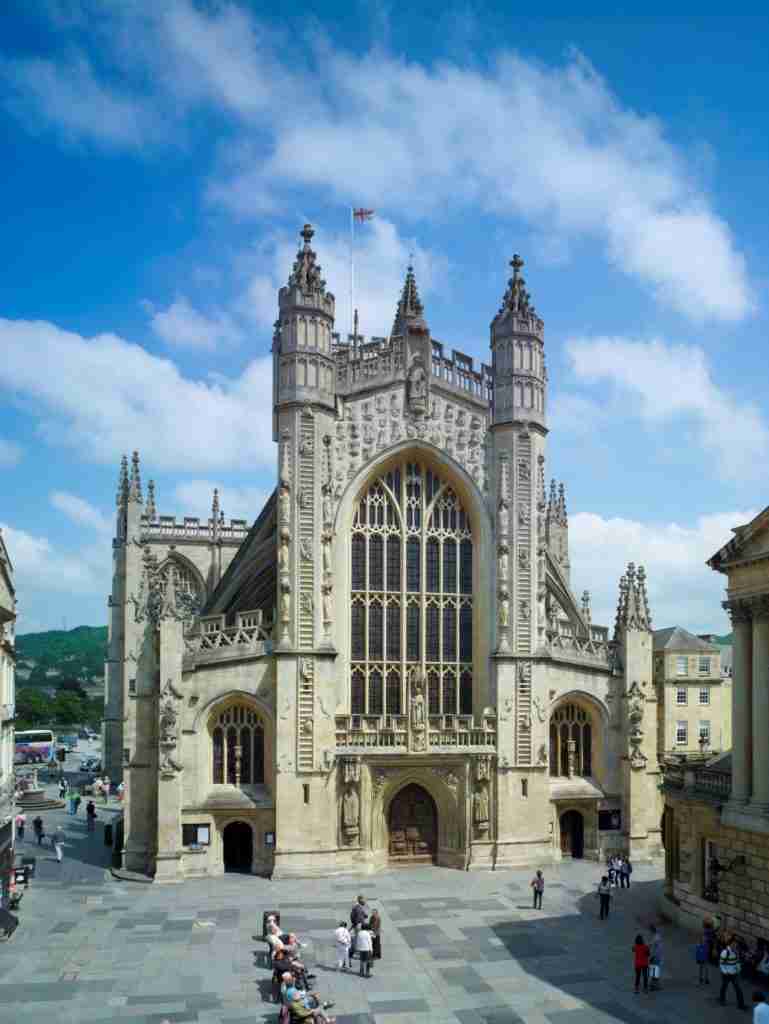
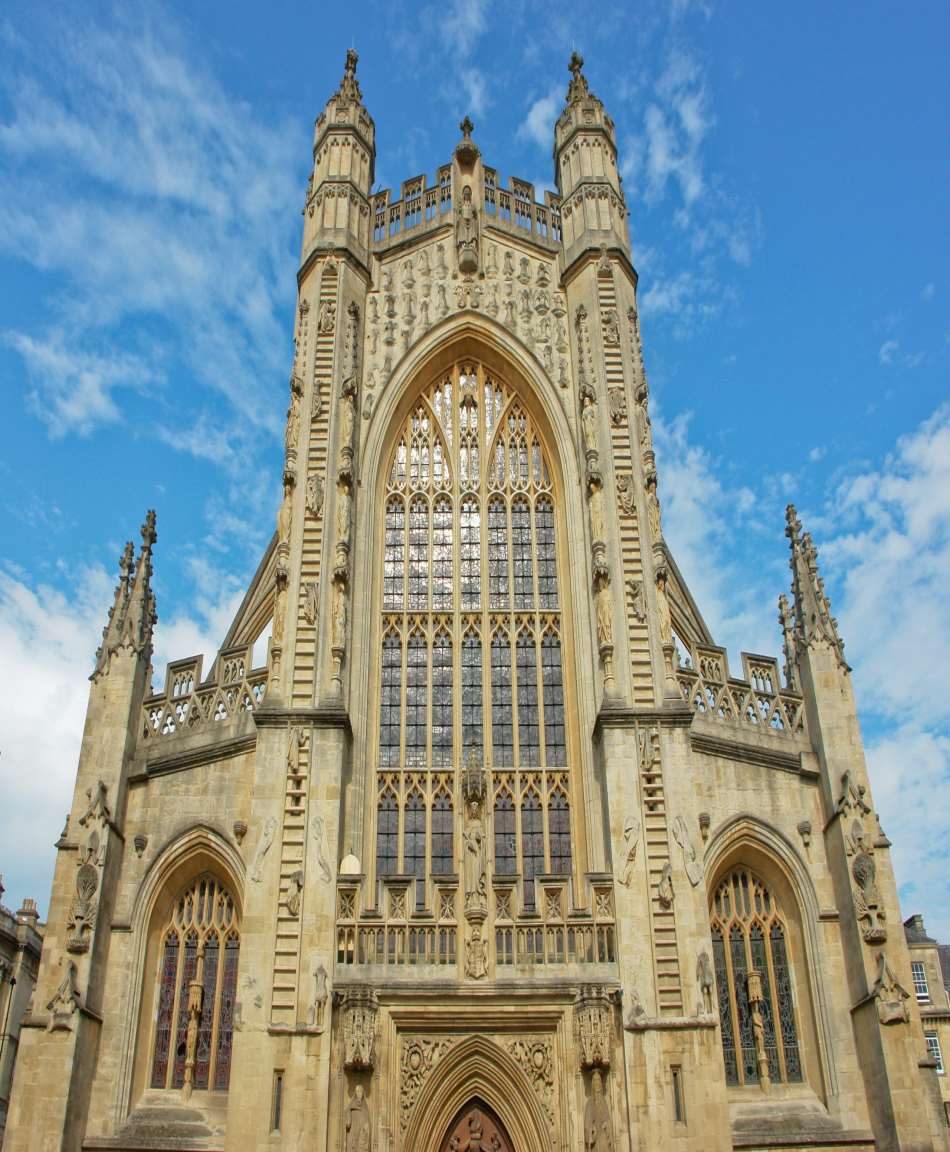
Looming above the city centre, Bath's huge abbey church was built between 1499 and 1616, making it the last great medieval church raised in England. Its most striking feature is the west facade, where angels climb up and down stone ladders, commemorating a dream of the founder, Bishop Oliver King. Tower tours leave on the hour from Monday to Friday, and every half.