Yes, baths are recommended for controlling the symptoms of yeast infection like itching, burning, swelling and pain. No remedy works fast enough to relieve these annoying symptoms; so while one waits for the effects of any medication (natural or otherwise) against the infection, one can use different types of baths for instant relief from symptoms. Is Bath Good or Bad for.

Showering with a yeast infection requires gentle care; use mild soap, avoid hot water, and ensure thorough drying to promote healing. Understanding Yeast Infections Yeast infections, primarily caused by an overgrowth of Candida albicans, can lead to uncomfortable symptoms such as itching, burning, and unusual discharge. A yeast infection can occur in the gut, in the mouth, on the skin, or in the vagina.
Sitz Bath for Yeast Infections: Natural Relief
The concern of whether a bath is good or bad for yeast infections typically applies to yeast infections of the skin or vagina. Some people worry that taking a bath with skin or vaginal yeast infection could cause the infection to spread to other parts of the body. Taking a bath with a yeast infection is generally acceptable, especially with plain, lukewarm water.

A warm bath can help soothe symptoms like itching, burning, and pain. However, certain bath product additives can worsen symptoms or disrupt the vaginal environment. Avoid bubble baths, scented soaps, bath bombs, and bath salts.
Epsom Salt Bath for Yeast Infection: Natural Relief
Baths provide an opportunity for individuals to maintain proper hygiene, particularly in the genital area, which is commonly affected by yeast infections. Vaginal yeast infections can cause discomfort and disruption, but keeping the area clean with gentle, non. 9.
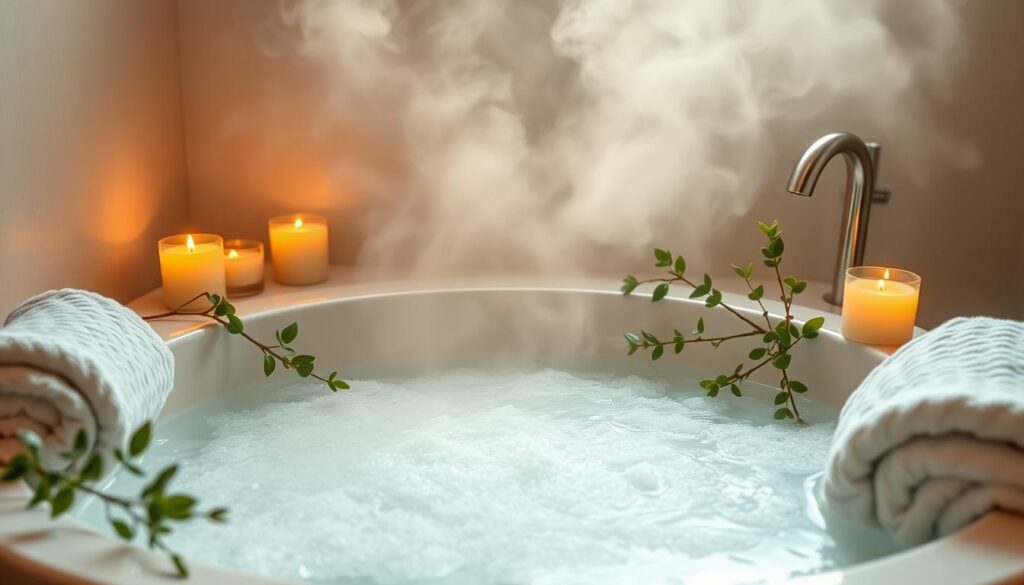
Chamomile Bath Chamomile is widely recognized for its soothing qualities, making it a potential solution for yeast infection relief. Steep chamomile tea bags or dried chamomile flowers in hot water before straining the liquid into your bath. Soak in this gentle and calming bath for approximately 20 minutes to experience its potential.

BV vs. Yeast Infection: How Do I Tell the Difference? | LifeMD
Regular showers vs. baths: pros and cons. Use of scented products and their impact on yeast infections.
Taking a shower can feel refreshing, but it can also affect your body differently compared to a bath. So, you want to know Can you get a yeast infection from baths? It's unlikely that a yeast infection can be transmitted directly through bath water, but there are some caveats that you should keep in mind. 2.
A steaming hot bath or jacuzzi might seem the ideal way to relax but the heat can encourage yeast overgrowth, and, in women who already have it, make the region extremely irritated. Take warm baths over hot ones and, whenever you can, shower! 3. If you need to wear trousers in the daytime consider having a shower in the evening after work.
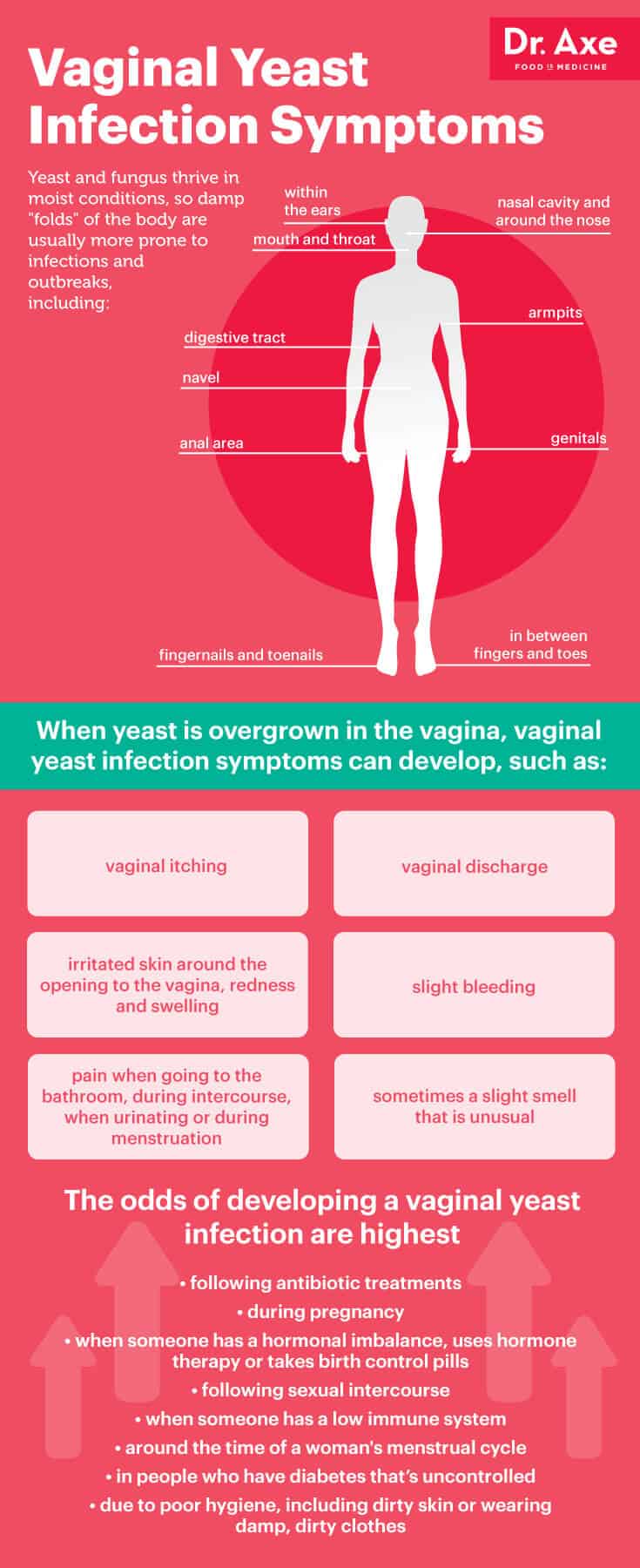
Baths can contribute to an environment where yeast, specifically Candida albicans, can overgrow. Prolonged exposure to warm, moist conditions, like those in a bath, creates an ideal breeding ground. This allows yeast to multiply, potentially leading to an infection.

Certain bath products can also disrupt the vaginal microbiome.